Chapter 7: Institutional Life, Inmate Rights, and Rehabilitation
Balancing Control, Constitutional Protections, and Human Dignity
Opening Perspective
A correctional institution is not simply a place of confinement. It is a controlled social environment where law, identity, power, and human behavior interact daily. Individuals enter these institutions with constitutional protections, personal histories, and social identities that do not disappear at the prison gate. At the same time, correctional systems are designed to maintain order, enforce compliance, and reduce risk. This creates a constant tension between control and dignity. This chapter examines that tension by exploring institutional life, religious influence, prisoners’ rights, vulnerable populations, and the conditions that shape modern corrections.
Introduction
Life inside a correctional institution is governed by both formal rules and informal social systems. Inmate handbooks define expectations for behavior, movement, communication, and discipline. At the same time, unwritten norms shape how individuals navigate relationships, avoid conflict, and establish identity. Understanding corrections requires examining both structures.
This chapter expands beyond basic institutional descriptions and focuses on how correctional systems function in practice. It explores how religion operates as a rehabilitative and social force, how constitutional protections are applied within institutions, how vulnerable populations experience confinement differently, and how overcrowding and institutional conditions shape daily life. Together, these elements provide a more complete understanding of modern corrections.
Religion, Rehabilitation, and Institutional Life
Religious life within correctional institutions is one of the most active, visible, and complex parts of prison culture. It is easy to reduce religion in prison to worship services, volunteer visits, or private devotion, but that would miss its broader institutional significance. Religion operates at several levels at once. It functions as a source of meaning for individuals under confinement, as a form of social organization within inmate populations, as a vehicle for rehabilitation and reentry support, and as a site of ongoing legal and administrative tension. In many facilities, religious life is not peripheral to prison operations. It is woven into the daily experience of confinement and into the larger question of what correctional institutions are trying to accomplish beyond simple custody.
One reason religion deserves sustained attention is that it remains one of the few institutional spaces in prison where inmates may still pursue identity, purpose, and affiliation in a relatively structured way. Correctional systems are built around routine, restriction, and compliance. Religious programming, by contrast, often offers language about hope, change, forgiveness, self-discipline, accountability, and belonging. That does not mean religion automatically transforms behavior or that every inmate participates sincerely. But it does mean religion occupies a distinctive position in prison life: it can reinforce institutional order, provide emotional support, create community, and at times challenge prison administrators to decide how far religious liberty extends inside a security-driven environment.
The Pew Research Center’s 50-state survey of prison chaplains remains one of the clearest national windows into religion behind bars. Pew found that religious activity inside state prisons was not marginal but widespread and dynamic. More than seven-in-ten state prison chaplains said efforts by inmates to proselytize or convert other inmates were either very common or somewhat common, and about three-quarters reported at least some religious switching among inmates. Chaplains also reported that Muslims and Protestant Christians were among the groups most likely to grow through religious switching. These findings show that religion in prison is not static. It is active, social, and often relational rather than merely private.

That point is institutionally important because religion in prison is not just about belief. It is also about identity formation, group affiliation, and social adaptation. In a controlled environment where nearly every movement is regulated, religion can offer a way for inmates to define themselves as something other than their offense, gang affiliation, or institutional classification. A person may enter prison as a defendant or inmate number and come to see himself or herself as a convert, believer, student, mentor, or member of a faith community. That identity shift can matter. It can shape conduct, influence peer associations, and affect how an inmate interprets both punishment and possibility.
At the same time, the social nature of religion inside prison means that correctional staff cannot treat it only as a private matter. Group worship, study circles, conversion efforts, mentoring relationships, and spiritual counseling all create interaction. Those interactions may support stability, but they also require administration, supervision, and accommodation. In that sense, religion becomes part of institutional life in much the same way that education, work assignments, counseling, and recreation do. It is one more domain in which the prison must decide how to balance access, fairness, security, staffing, and resources.
For many chaplains, religion is inseparable from rehabilitation. Pew found that 73% of chaplains considered access to high-quality religion-related programming in prison absolutely critical to successful rehabilitation and reentry, while 78% said support from religious groups after release was absolutely critical. Chaplains working in prisons with religion-related rehabilitation or reentry programming also reported that participation had increased and that program quality had improved in recent years. Those findings are revealing because they show chaplains do not see religion merely as ceremonial or symbolic. They see it as functionally tied to behavioral change and successful reintegration.
This rehabilitation claim deserves careful treatment. It should not be romanticized, but it should not be dismissed either. Religion may support rehabilitation in several ways. First, it can provide moral language for self-reflection. Second, it can create routine and structure in an environment where time is often experienced as empty, repetitive, or corrosive. Third, it can connect inmates to mentors and volunteers from outside the institution, helping preserve a bridge to the community. Fourth, it can create post-release support systems that continue after incarceration ends. In correctional terms, religion sometimes functions as an informal prosocial network. It may not replace evidence-based treatment, job training, or mental health care, but it can complement them by offering social reinforcement and meaning.
Yet religion’s rehabilitative promise must be considered alongside an institutional reality that Pew also captured clearly. Chaplains tended to rate their correctional systems highly on maintaining discipline and order, but they were notably less positive about how well those systems prepared inmates for reintegration into the community. That contrast is one of the most important insights for this chapter. Correctional institutions are usually better at control than transformation. They are designed to regulate conduct, not necessarily to build the internal capacities that make long-term change possible. Religious programming often operates inside that gap. It becomes one of the few spaces where institutions that are very good at discipline try to participate in personal change.
This tension between maintaining order and promoting change is central to understanding religion in correctional environments. On one hand, religion can support order. Programs may reduce idleness, create routines, and encourage self-discipline. Chaplains and volunteers may diffuse tension, provide counseling, or help inmates process conflict without violence. On the other hand, rehabilitation requires more than outward compliance. It requires some degree of internal reflection, future orientation, and identity reorganization. Institutions can mandate attendance, but they cannot mandate transformation. Religion, therefore, exists in a strange position in prison. It is welcomed in part because it can support institutional calm, yet its deeper value, if it has one, lies in something the institution cannot fully control: a person’s capacity to interpret his or her life differently.
The diversity of religious life behind bars also matters. Prisons are not religiously homogeneous. Christianity may represent the majority tradition in many institutions, but a wide range of faith groups are present, including Islam, Native American spiritual traditions, pagan and earth-based religions, Judaism, Mormonism, and others. Pew found that institutions commonly face requests related to religious texts, visits from spiritual leaders, special diets, sacred items, clothing, and grooming practices. Chaplains reported that requests for religious texts and access to spiritual leaders were often approved, while accommodations related to hair and grooming were more inconsistently granted. This difference is revealing. It suggests that institutions are more comfortable granting accommodations that are administratively manageable than those that visibly alter appearance, routine, or security practice.
That inconsistency is not trivial. It goes directly to the larger legal and constitutional issues surrounding religion in prison. The First Amendment protects prisoners’ religious exercise, but in correctional settings those rights are filtered through institutional concerns. Congress reinforced these protections through the Religious Land Use and Institutionalized Persons Act, or RLUIPA, which requires institutions not to impose a substantial burden on religious exercise unless doing so is the least restrictive means of serving a compelling governmental interest. The ACLU’s prison religious freedom materials summarize this principle clearly, and the Supreme Court’s decision in Holt v. Hobbs reinforced it by ruling in favor of a Muslim prisoner seeking a religious beard. The case made clear that correctional officials cannot rely on vague assertions about security. They must justify restrictions with real evidence.
This legal framework helps explain why religion in prison remains such a contested issue. Institutions must decide where accommodation ends and security begins. Should an inmate be allowed to wear religious headgear? Maintain facial hair for religious reasons? Receive a specialized diet? Participate in group worship that requires outside volunteers? Possess sacred objects? Each of these decisions has to be filtered through custody concerns, staffing limits, contraband fears, fairness across traditions, and the risk of setting institutional precedent. These are not abstract questions. They are daily operational questions. Religion in prison therefore becomes a test of institutional neutrality and consistency. If a facility accommodates majority traditions easily but treats minority traditions with skepticism, the issue is no longer just religion. It becomes equal treatment under a controlled system.
Another important contribution of the Pew survey is its treatment of volunteerism. Chaplains reported that some groups, especially Muslims, Native American spiritual traditions, and pagan or earth-based faiths, were underserved by volunteers. Protestant groups, by contrast, were often described as having more volunteers than needed. That unevenness matters because access to religious support in prison is shaped not only by formal policy but also by the availability of outside religious communities willing and able to enter the institution. In practice, this means some faith groups may enjoy robust services, mentoring, and post-release connections, while others struggle to secure even basic representation. This is a hidden but important dimension of prison religion: institutional access may be formally equal on paper while remaining substantively unequal in practice because some communities have more resources, more volunteers, and more historical presence inside prisons.
Religious extremism is another issue that must be handled carefully. Public discussion often assumes prison religion and prison radicalization are closely linked, especially in the years since the September 11 attacks. Pew’s findings paint a more complicated picture. A sizable minority of chaplains reported that religious extremism was somewhat or very common, but most also said extremism rarely posed a serious threat to prison security. Muslim inmates were most frequently associated with extremism in chaplain perceptions, but pagan or earth-based traditions and certain Christian groups were also mentioned. Perhaps most importantly, the survey showed that chaplains differed significantly in what they meant by extremism. Some associated it with racism, religious coercion, hostility to women or LGBTQ people, or gang-like uses of religious identity. Others distinguished between unusual beliefs and genuinely dangerous conduct.
That nuance matters. If correctional systems define extremism too broadly, they risk pathologizing minority faith traditions or non-mainstream practices. If they define it too narrowly, they may miss situations in which religious language is being used to justify intimidation, recruitment, or violence. The better correctional question is not simply whether a belief is unusual. It is whether religious expression is being used in ways that threaten safety, coerce others, or disguise other forms of organized misconduct. That distinction allows institutions to take security seriously without collapsing religious diversity into suspicion.
The chaplain’s role also deserves deeper attention. Chaplains are not merely ceremonial figures who lead services on weekends. Pew found that nearly all chaplains either lead worship, provide counseling, or organize religious programming, and many considered direct interaction with inmates their most important responsibility. At the same time, a substantial portion of their work involved administration, paperwork, and program coordination. This dual role places chaplains at a unique intersection of pastoral care and institutional authority. They are both insiders and intermediaries. They are part of the correctional structure, yet they often occupy one of the few positions explicitly associated with moral guidance, listening, and support.
That position can be valuable, but it is not uncomplicated. Chaplains work inside institutions built around security and hierarchy. They may advocate for accommodation or support inmate needs, but they are still part of the correctional system. Inmates may trust them, distrust them, or treat them strategically. Administrators may value chaplains for the stability they bring or may view certain religious activities as administrative burdens. This complexity should not be ignored. The chaplain’s role in correctional life is important precisely because it sits at the boundary between care and control.
Taken together, the evidence suggests that religion in prison should be understood as an institutional force with multiple functions. It is a source of identity for inmates, a pathway to community and support, a vehicle for rehabilitation in the eyes of many chaplains, a domain of recurring legal conflict, and a persistent administrative challenge in diverse and resource-constrained environments. It can help preserve dignity in settings that often undermine it. It can create bridges to the outside world in places defined by separation. It can also expose inequalities in accommodation, volunteer access, and institutional trust.
For students of corrections, the key lesson is that religion behind bars is not a side issue. It is part of the daily social and legal reality of confinement. It reveals how correctional systems manage diversity, how they define rehabilitation, how they balance liberty with order, and how institutions built for control sometimes rely on programming that points beyond control. In that sense, religion offers an especially useful lens into modern corrections. It shows both what prisons are designed to do and what they struggle to do well. They can regulate movement, enforce rules, and maintain discipline. But when it comes to helping people change, build meaning, and reconnect to a lawful life beyond confinement, they often rely on forces like religion that are not reducible to custody alone.
Religion as a Tool for Rehabilitation and Reentry
Within correctional institutions, religion is often viewed not simply as a matter of personal belief, but as a practical mechanism for rehabilitation and preparation for life after release. While prisons are highly structured environments built around control, compliance, and risk management, religious programming introduces a different set of goals: reflection, accountability, identity change, and future orientation. For many incarcerated individuals, these elements are not fully addressed through traditional correctional programming alone. Religion, in this context, becomes one of the few institutional pathways that attempts to influence how individuals think about themselves, their past behavior, and their future.
A consistent finding across national surveys of prison chaplains is that religious programming is widely regarded as central to rehabilitation. Chaplains overwhelmingly report that access to meaningful religious services, mentoring, and faith-based programming is critical to behavioral change during incarceration. Even more striking, they tend to place even greater importance on religious support after release. This distinction matters. It suggests that religion is not seen as valuable only within the institution, but as part of a broader continuum that extends into the community. In other words, religion is not just about helping inmates “do time.” It is about helping them transition out of it.

To understand why religion is viewed this way, it is important to consider what rehabilitation actually requires. Behavioral change is not simply a matter of rule compliance. In prison, individuals may follow rules to avoid punishment, gain privileges, or reduce conflict, but that does not necessarily translate into long-term change. Rehabilitation requires something deeper: the ability to reflect on past actions, accept responsibility, develop self-control, and adopt new ways of thinking and behaving. Religious frameworks often provide language and structure for this process. Concepts such as accountability, forgiveness, redemption, discipline, and purpose can help individuals reinterpret their past and imagine a different future.
Religious programming also introduces consistency and routine in an environment where time can feel stagnant and unproductive. Regular services, study groups, and mentoring sessions create predictable structure. One of the challenges of incarceration is that individuals often lose control over their time and decision-making. Participation in religious programming can restore a limited sense of agency. Choosing to attend, engage, or commit to a belief system gives individuals a role that is not entirely defined by institutional control.
Beyond internal change, religion can also function as a social support system. Many programs include mentoring relationships with chaplains or volunteers, peer-led study groups, and connections to faith-based communities outside the prison. These relationships can be particularly important during reentry. Individuals leaving prison often face unstable housing, limited employment opportunities, strained family relationships, and social stigma. Faith-based organizations may provide transitional housing, job placement assistance, counseling, and community integration support. In that sense, religion can act as a bridge between incarceration and the outside world.
| Program Type | Primary Goal | Reentry Impact |
|---|---|---|
| Religious services | Spiritual development and reflection | Identity, purpose, and moral language for change |
| Mentoring and counseling | Guidance and accountability | Support networks that can continue after release |
| Faith-based recovery and job support | Behavior change and stabilization | Reduced relapse risk and stronger reintegration support |
This bridging function highlights one of the most important distinctions in correctional rehabilitation: the difference between programs that operate only inside the institution and those that extend beyond it. Many traditional correctional programs end at the prison gate. Religious networks, by contrast, often continue. A mentor who visits an inmate during incarceration may remain a point of contact after release. A religious community may provide a place to belong at a time when individuals are most vulnerable to relapse or reoffending.
There is also an important institutional tension to consider. Correctional systems are highly effective at maintaining order, but they are less consistently effective at producing long-term rehabilitation. This creates a gap between what prisons are designed to do and what society often expects them to accomplish. Religious programming operates within that gap. It introduces elements of transformation into a system primarily focused on control. That positioning can be both a strength and a limitation. On one hand, religion may reach individuals in ways that formal programming does not. On the other hand, it operates within constraints that limit how much change can realistically occur in a controlled environment.
Another factor influencing the effectiveness of religious programming is access. Not all inmates have equal opportunities to participate. Access may depend on facility resources, availability of chaplains, presence of volunteers, and institutional priorities. Some faith groups have strong external support networks that provide regular programming and reentry assistance. Others may have limited representation, making it more difficult for inmates to engage in meaningful religious practice. This unevenness can shape who benefits from religious programming and to what extent.
Despite these limitations, religion remains one of the most consistently available and widely utilized forms of programming in correctional settings. Its influence is not limited to formal services or structured programs. It often extends into informal interactions, peer relationships, and daily routines. In some cases, inmates who adopt religious identities take on mentoring roles, helping guide others through both institutional life and preparation for release. These informal dynamics can reinforce pro-social behavior and create micro-communities within the larger prison environment.
For correctional professionals, the role of religion in rehabilitation raises important practical and ethical questions. Should religious programming be actively supported as part of correctional strategy? How should institutions ensure equal access across diverse faith traditions? Where is the line between supporting rehabilitation and privileging certain belief systems? How should staff respond when religious identity intersects with other institutional concerns, such as group affiliation or security classification?
These questions do not have simple answers, but they highlight the broader significance of religion in corrections. Religion is not just a personal choice exercised behind bars. It is an institutional factor that shapes behavior, influences rehabilitation efforts, and affects reentry outcomes. It operates at the intersection of individual change and systemic structure.
Ultimately, the value of religion as a tool for rehabilitation and reentry lies in its ability to address aspects of human behavior that are difficult to reach through control alone. Correctional systems can enforce rules, restrict movement, and impose consequences, but they cannot easily instill purpose, meaning, or long-term motivation. Religion, for some individuals, provides a framework for those elements. It offers a way to reinterpret the past, navigate the present, and prepare for the future.
That does not make religion a universal solution. It does, however, make it a significant and enduring component of correctional life. Understanding its role is essential for anyone seeking to understand how rehabilitation actually functions within the realities of modern incarceration.
Maintaining Order vs. Promoting Change
Correctional institutions are, at their core, systems of control. Their primary responsibility is to maintain safety, enforce rules, and manage risk within a confined population. Every aspect of institutional life, from movement schedules to housing assignments to disciplinary procedures, is designed to produce order and predictability. In this sense, prisons and jails are highly effective. They are structured to regulate behavior, minimize disruption, and respond quickly to threats. Staff are trained to prioritize security, and institutional success is often measured by the absence of violence, disorder, or escape.
However, this emphasis on control creates a fundamental tension when correctional systems are also expected to promote rehabilitation. Maintaining order and promoting change are not the same objective. In many ways, they operate in opposite directions. Order depends on compliance, routine, and external regulation. Change depends on internal reflection, personal accountability, and the development of new ways of thinking and behaving. One can be achieved through enforcement. The other requires engagement.
This distinction is critical for understanding the limits of institutional design. A person may learn how to behave appropriately in prison without developing the capacity to function successfully outside of it. Compliance inside a controlled environment does not necessarily translate into self-regulation in an unstructured community setting. In fact, the very features that make prisons effective at maintaining order, strict routines, limited decision-making, constant supervision, may inhibit the development of independence and long-term behavioral change.
Religious programming, along with other rehabilitative efforts, operates within this tension. On one level, religion can reinforce institutional order. Participation in structured activities reduces idleness, which is often linked to misconduct. Religious teachings may emphasize discipline, respect, and nonviolence, all of which align with institutional goals. Chaplains and volunteers can also serve as stabilizing influences, helping to mediate conflict and provide emotional support. From this perspective, religion can function as a tool that supports the institution’s primary objective: maintaining control.
At the same time, religion introduces elements that go beyond compliance. It encourages individuals to reflect on their past actions, consider moral responsibility, and develop a sense of purpose that extends beyond the prison environment. These are not outcomes that can be imposed through rules or enforced through discipline. They require voluntary engagement. This creates a unique dynamic. Religious programming is often welcomed because it contributes to stability, yet its deeper value lies in something the institution cannot fully regulate: the internal transformation of the individual.
This dual function highlights a broader issue within corrections. Institutions are designed to manage behavior in the present, but rehabilitation is concerned with behavior in the future. The policies and practices that maintain order today do not always align with the conditions necessary for long-term change. For example, restrictive housing may reduce immediate risk, but it can also limit access to programming, social interaction, and opportunities for growth. Similarly, highly controlled environments may prevent misconduct, but they can also reduce opportunities for individuals to make decisions, solve problems, and develop responsibility.
The tension between order and change is also reflected in how success is measured within correctional systems. Institutional success is often evaluated through indicators such as safety, incident reports, and rule compliance. These metrics capture short-term outcomes. Rehabilitation, by contrast, is typically measured through long-term outcomes such as recidivism, employment, and reintegration into the community. These outcomes occur after release and are influenced by factors beyond the institution’s control. As a result, there can be a disconnect between what institutions are rewarded for doing and what society expects them to achieve.
This disconnect can shape how programs are implemented and prioritized. Activities that support order are often viewed as essential, while those aimed at rehabilitation may be seen as secondary or optional, particularly in environments with limited resources. Staff may support programming in principle but remain focused on immediate safety concerns. In some cases, programs are interrupted, restricted, or scaled back due to staffing shortages, security incidents, or administrative constraints. These realities illustrate how the institutional commitment to control can limit the consistency and effectiveness of rehabilitative efforts.
At the same time, it would be inaccurate to suggest that order and change are entirely incompatible. In many cases, a stable and secure environment is a prerequisite for meaningful programming. Individuals are more likely to engage in education, counseling, or religious activities when they feel safe. Structure and routine can create a foundation on which rehabilitation can occur. The challenge is not to eliminate control, but to recognize its limits and ensure that it does not become the sole objective.
The most effective correctional approaches attempt to balance these competing priorities. They maintain security while also creating opportunities for individuals to engage in programs that promote personal development. This may involve integrating programming into daily routines, providing incentives for participation, and ensuring that access to services is consistent across different housing units and classifications. It may also require cultural shifts within institutions, where staff view rehabilitation not as separate from security, but as a component of long-term safety.
This balance is difficult to achieve in practice. It requires resources, training, coordination, and a clear understanding of institutional goals. It also requires acknowledging that not all individuals will engage in rehabilitative efforts and that change cannot be forced. Correctional systems must operate with the recognition that their ability to produce transformation is limited, but not insignificant.
Religion illustrates this balance clearly. It supports order by providing structure and reducing conflict, but it also offers a pathway for change that extends beyond institutional control. It is one of the few areas within correctional life where individuals can voluntarily engage in activities that encourage reflection, accountability, and future orientation. Its effectiveness depends not only on access and participation, but on the broader institutional environment in which it operates.
Ultimately, the tension between maintaining order and promoting change reflects a larger question about the purpose of corrections. If institutions are designed only to control behavior during confinement, then success can be measured by stability and compliance. If they are also expected to contribute to long-term public safety through rehabilitation, then they must create conditions that allow for personal change. These goals are not mutually exclusive, but they are not automatically aligned.
Understanding this tension is essential for anyone studying or working in corrections. It shapes policy decisions, program design, staff expectations, and inmate experiences. It also influences how society evaluates the success or failure of correctional systems. The challenge is not simply to choose between order and change, but to determine how both can be pursued without undermining one another.
Religious Diversity and Institutional Challenges
Modern correctional institutions reflect the broader religious diversity of American society, but they do so within a far more restrictive and controlled environment. Inside prisons and jails, individuals bring with them a wide range of belief systems, including various denominations of Christianity, Islam, Judaism, Native American spiritual traditions, Buddhism, Hinduism, and a growing number of nontraditional or individualized belief systems. This diversity creates both opportunities and challenges for correctional administrators tasked with balancing constitutional protections, institutional security, and limited resources.
At a foundational level, incarcerated individuals retain their First Amendment right to the free exercise of religion. Courts have consistently affirmed that while incarceration limits many freedoms, it does not eliminate religious rights. However, those rights are not absolute. They must be balanced against legitimate penological interests, including safety, order, and resource constraints. This balancing act is where much of the complexity emerges. What appears to be a reasonable religious request in one context may present a security concern in another.
One of the most visible challenges involves accommodating different forms of religious practice. This includes access to religious texts, opportunities for worship, dietary requirements, grooming practices, and the ability to observe religious holidays. In many institutions, requests for basic accommodations, such as access to sacred texts or participation in services, are routinely approved. These are generally low-risk accommodations that can be managed within existing institutional structures.
However, more complex requests often require careful evaluation. Dietary accommodations, for example, can create logistical challenges. Providing halal, kosher, vegetarian, or other specialized meals may require additional resources, coordination with food service operations, and verification processes to prevent misuse. Similarly, grooming practices tied to religious beliefs, such as maintaining long hair or beards, may conflict with institutional policies designed for identification, hygiene, or security. These situations require administrators to weigh the legitimacy of the request against operational concerns.

Another significant challenge is ensuring equitable access across different faith traditions. In many facilities, Christian programming is the most widely available, often supported by a large network of volunteers and community organizations. In contrast, minority faith groups may have limited access to clergy, fewer organized services, and less institutional support. This disparity is not always the result of intentional bias, but rather reflects broader patterns in community engagement and resource availability. Nonetheless, it raises important questions about fairness and equal treatment under the law.

Chaplains play a central role in navigating this landscape. They are responsible not only for facilitating religious services, but also for coordinating accommodations, advising administrators, and ensuring that institutional policies align with legal requirements. Their role is inherently complex because they must support diverse religious needs while operating within the constraints of a correctional system.
Religious diversity also intersects with issues of identity and group affiliation within the prison environment. In some cases, religious identity can provide a positive sense of belonging and structure. In others, it may overlap with existing social divisions, including race, ethnicity, or gang affiliation. Correctional staff must be attentive to the ways in which religious groups form, interact, and, in rare cases, become sources of tension or conflict. While most religious activity is constructive and stabilizing, institutions cannot ignore the potential for group dynamics to shift in ways that affect security.
Concerns about religious extremism add another layer of complexity. While research and practitioner experience suggest that extremism is relatively rare within correctional settings, it remains an area of attention for administrators. The challenge lies in distinguishing between legitimate religious expression and beliefs or behaviors that may pose a threat to safety. This distinction is not always clear. Definitions of extremism can vary, and there is a risk of overgeneralization or misinterpretation, particularly when dealing with unfamiliar belief systems.
In practice, most chaplains report that religion functions as a stabilizing force rather than a disruptive one. Instances of coercion, intimidation, or the use of religion to mask other activities do occur, but they are not the norm. When they do arise, they are typically addressed through existing security protocols rather than broad restrictions on religious practice. This approach reflects an understanding that limiting legitimate religious activity in response to isolated concerns may create more problems than it solves.
Legal frameworks provide important guidance for managing religious diversity in corrections. Court decisions have established that institutions must make reasonable accommodations for religious practices unless doing so would create undue hardship or compromise security. Legislation such as the Religious Land Use and Institutionalized Persons Act (RLUIPA) further reinforces these protections by requiring that any substantial burden on religious exercise must serve a compelling governmental interest and be implemented through the least restrictive means.
Despite these legal standards, implementation is not always straightforward. Correctional facilities vary widely in size, resources, staffing, and population. What is feasible in one institution may be difficult in another. Administrators must make decisions in real time, often with incomplete information and competing priorities. This reality underscores the importance of training, clear policy guidelines, and ongoing communication between staff, chaplains, and the incarcerated population.
Another important consideration is the role of volunteers and external organizations. Much of the religious programming in correctional facilities is supported by community volunteers. These individuals provide services, mentoring, and support that institutions may not be able to offer on their own. However, reliance on volunteers can also contribute to uneven access, particularly for less represented faith groups. Ensuring that volunteer programs are inclusive and appropriately managed is an ongoing challenge.
Ultimately, religious diversity in correctional institutions reflects a broader societal reality, but it is shaped by the unique constraints of the correctional environment. Institutions must navigate a complex set of expectations: upholding constitutional rights, maintaining security, managing limited resources, and responding to a diverse population with varying needs.
This is not a problem with a single solution. It requires ongoing adjustment, informed decision-making, and a willingness to engage with complexity. For correctional professionals, understanding religious diversity is not simply a matter of policy compliance. It is a practical necessity that affects daily operations, institutional culture, and the overall effectiveness of the correctional system.
In the end, how institutions respond to religious diversity says a great deal about their broader approach to corrections. It reflects their capacity to balance control with accommodation, uniformity with flexibility, and security with respect for individual rights. These are not easy balances to strike, but they are central to the functioning of modern correctional systems.
Religious Extremism and Security Concerns
Concerns about religious extremism in correctional institutions occupy a complicated space between legitimate security priorities and the protection of constitutional rights. Prisons and jails are environments where individuals may be searching for identity, protection, or meaning, conditions that can make them more receptive to strong belief systems, including those that are rigid, exclusionary, or, in rare cases, extremist. At the same time, the overwhelming majority of religious activity in correctional settings is constructive, stabilizing, and aligned with institutional goals. Understanding this balance is critical. Overestimating the threat of extremism can lead to unnecessary restrictions and legal challenges, while underestimating it can create genuine security risks.
One of the first challenges for correctional administrators is defining what constitutes “extremism.” This is not as straightforward as it may seem. Strong religious beliefs, strict adherence to doctrine, or rejection of mainstream social norms do not, in themselves, indicate a security threat. Extremism, in the correctional context, is typically associated with behaviors rather than beliefs alone. These behaviors may include advocating violence, attempting to recruit others into ideologically driven groups that support harm, using religion to justify coercion or intimidation, or disguising gang activity under the cover of religious practice.
This distinction between belief and behavior is essential. The First Amendment protects the right to hold and express religious beliefs, even those that may be unpopular or controversial. Correctional institutions cannot restrict religious expression simply because it is viewed as extreme or unconventional. However, when beliefs translate into actions that threaten safety, order, or the rights of others, institutions have both the authority and the responsibility to intervene.

In practice, most chaplains and correctional professionals report that instances of true religious extremism are relatively rare. National survey data from prison chaplains indicate that while some have encountered inmates expressing extremist views, these cases do not represent the norm and seldom escalate into widespread security threats. More commonly, chaplains describe religion as a positive force that promotes stability, reduces misconduct, and supports rehabilitation.
When concerns do arise, they often take specific and identifiable forms. These may include the use of religious rhetoric to assert racial or ideological superiority, efforts to pressure or coerce other inmates into joining a particular group, or attempts to establish hierarchical structures that mirror gang organization. In some cases, individuals may adopt religious identities as a form of protection or affiliation rather than genuine belief, further complicating the assessment of intent and risk.
Another area of concern involves the potential for radicalization, particularly among individuals who may feel isolated, marginalized, or disillusioned. Correctional environments can amplify these vulnerabilities. Limited contact with the outside world, exposure to new peer groups, and the search for meaning during incarceration can create conditions where individuals are more open to influence. However, it is important to avoid assuming that religious conversion or increased religious engagement equates to radicalization. In many cases, these changes reflect positive personal development rather than movement toward extremism.
Correctional institutions respond to these concerns through a combination of monitoring, intelligence gathering, and collaboration between security staff and chaplaincy services. Chaplains are often in a unique position to observe changes in behavior, identify potential issues, and provide context for religious practices that may be unfamiliar to security staff. This collaboration is critical. Without it, there is a risk that legitimate religious activities could be misinterpreted as threats, leading to unnecessary restrictions or conflict.
At the same time, security staff must remain vigilant in identifying behaviors that genuinely pose a risk. This includes monitoring communication, observing group dynamics, and responding to credible threats. Policies may limit certain forms of communication, restrict materials that are deemed to promote violence, or impose additional supervision on individuals identified as potential risks. These measures must be carefully implemented to ensure they are targeted, proportionate, and consistent with legal standards.
Legal considerations play a significant role in shaping institutional responses. Courts have consistently held that restrictions on religious practice must be justified by legitimate penological interests and must not be overly broad. The Religious Land Use and Institutionalized Persons Act (RLUIPA) further requires that any substantial burden on religious exercise serve a compelling governmental interest and be implemented through the least restrictive means. These standards are designed to prevent the misuse of security concerns as a justification for limiting religious freedom.
This legal framework reinforces the importance of precision in policy and practice. Broad or vague restrictions on religious activity are more likely to be challenged and overturned. Institutions must be able to demonstrate that specific actions, not general beliefs, justify intervention. This requires clear documentation, consistent enforcement, and ongoing training for staff.
It is also important to recognize the potential consequences of overreacting to perceived threats. Excessive restrictions on religious practice can undermine trust, increase tension, and limit access to programs that support rehabilitation. In some cases, they may even contribute to the very problems they are intended to prevent by alienating individuals and reinforcing feelings of marginalization.
A more effective approach focuses on targeted intervention, informed understanding, and collaboration. This includes educating staff about different religious traditions, distinguishing between legitimate practice and problematic behavior, and working closely with chaplains and external experts when necessary. It also involves recognizing that religion, in most cases, is part of the solution rather than the problem.
Ultimately, concerns about religious extremism in correctional institutions must be approached with balance and clarity. The goal is not to eliminate risk entirely, which is neither realistic nor necessary, but to manage it in a way that protects both institutional security and individual rights. This requires careful judgment, informed policy, and a commitment to distinguishing between belief and behavior.
For correctional professionals, this is an ongoing challenge. It demands attention to detail, awareness of broader social and political contexts, and a willingness to engage with complexity. It also requires resisting the temptation to adopt overly simplistic narratives about religion and security. The reality is more nuanced. While risks exist, they are not as widespread as often assumed, and the benefits of supporting legitimate religious practice remain substantial.
In the end, the way institutions address religious extremism reflects their broader approach to corrections. It reveals how they balance security with liberty, control with fairness, and risk management with respect for human rights. These are not easy balances to strike, but they are central to the effective and ethical operation of modern correctional systems.

Prisoners’ Rights and Constitutional Protections
One of the most important and often misunderstood aspects of the American correctional system is the legal status of incarcerated individuals. A common assumption is that once a person is incarcerated, they lose all of their rights. That is simply not accurate. While incarceration necessarily limits many freedoms, individuals do not lose their constitutional protections. Instead, those rights are modified and balanced against the legitimate needs of the institution, particularly safety, order, and security.
This balance between individual rights and institutional authority has been shaped over time through a series of court decisions that define what prisoners are entitled to and where the limits of those entitlements lie. Understanding this legal framework is essential because it directly influences how correctional facilities operate, how policies are written, and how staff interact with the incarcerated population.
The Foundation: Rights Retained During Incarceration
The U.S. Supreme Court has consistently affirmed that prisoners retain certain constitutional rights, even while confined. These include protections under the First, Fourth, Eighth, and Fourteenth Amendments, among others. However, these rights are not applied in the same way as they are in free society. Courts recognize that the unique environment of a correctional institution requires restrictions that would not be acceptable outside its walls.
The key legal principle guiding this balance is that restrictions on inmate rights must be reasonably related to legitimate penological interests. This standard, established in Turner v. Safley (1987), gives correctional administrators significant discretion, but it also places limits on arbitrary or excessive restrictions. Institutions must be able to justify their policies as necessary for maintaining security, order, or operational efficiency.
The Eighth Amendment: Protection from Cruel and Unusual Punishment
One of the most significant constitutional protections for incarcerated individuals comes from the Eighth Amendment, which prohibits cruel and unusual punishment. This protection extends beyond the types of sentences imposed by courts and applies directly to the conditions of confinement and the treatment of inmates.
The landmark case Estelle v. Gamble (1976) established that deliberate indifference to serious medical needs constitutes a violation of the Eighth Amendment. This case set a critical standard: correctional institutions have an affirmative obligation to provide adequate medical care to those in their custody. Failure to do so is not simply poor practice, it is unconstitutional.
The concept of “deliberate indifference” is central here. It is not enough to show that care was inadequate. There must be evidence that officials knew of and disregarded a substantial risk to an inmate’s health or safety. This standard reflects the broader principle that incarceration does not strip individuals of their basic human dignity or their right to necessary care.
The First Amendment: Religious Freedom and Expression
As discussed in earlier sections, incarcerated individuals retain their First Amendment rights, including the free exercise of religion. Courts have repeatedly held that prisons must accommodate religious practices unless doing so would interfere with legitimate institutional concerns.
This protection has been strengthened by legislation such as the Religious Land Use and Institutionalized Persons Act (RLUIPA), which requires that any substantial burden on religious exercise must serve a compelling governmental interest and be implemented in the least restrictive way possible.
In addition to religion, the First Amendment also protects certain forms of expression and communication. However, these rights are often more heavily restricted in correctional settings. Mail can be monitored, publications can be limited, and speech may be regulated to prevent threats, harassment, or the spread of information that could compromise security.
The Fourteenth Amendment: Due Process and Equal Protection
The Fourteenth Amendment plays a critical role in protecting inmates from arbitrary or discriminatory treatment. It guarantees due process, meaning that individuals must be afforded fair procedures when the state seeks to deprive them of life, liberty, or property.
In the correctional context, due process protections often arise in disciplinary proceedings. When inmates face sanctions such as solitary confinement or the loss of good time credits, they are entitled to certain procedural safeguards. These may include notice of the charges, an opportunity to present evidence, and a written statement of the decision.
Equal protection is another key component of the Fourteenth Amendment. Correctional institutions cannot discriminate against individuals based on characteristics such as race, religion, or national origin without a valid justification. This principle has been particularly important in cases involving racial segregation and differential treatment within facilities.
The Fourth Amendment: Privacy and Searches
The Fourth Amendment, which protects against unreasonable searches and seizures, is significantly limited in correctional settings. Courts have generally held that inmates have a greatly reduced expectation of privacy. This allows institutions to conduct searches of cells, monitor communications, and implement surveillance measures that would not be permissible in the outside world.
However, this does not mean that all searches are automatically justified. Policies must still be applied in a manner that is not arbitrary, excessive, or intended solely to harass. The balance again comes back to reasonableness in relation to institutional needs.
Balancing Rights and Security
The overarching theme in prisoners’ rights is balance. Correctional institutions must maintain order and protect both staff and inmates, but they must do so within the boundaries of the Constitution. This creates an ongoing tension. Policies that are too restrictive may violate individual rights, while policies that are too lenient may compromise safety.
Courts have generally deferred to the expertise of correctional administrators, recognizing the challenges of managing complex and often volatile environments. However, this deference is not unlimited. When institutions fail to meet constitutional standards, courts can and do intervene.
The Evolution of Prisoners’ Rights
Historically, prisoners had very limited legal protections. Early court decisions often followed a “hands-off” doctrine, where judges were reluctant to interfere in the internal operations of prisons. This began to change in the mid-20th century, as courts became more willing to hear inmate grievances and enforce constitutional standards.
This shift led to significant reforms in areas such as medical care, conditions of confinement, and access to the courts. It also established the legal foundation for many of the rights discussed in this chapter. Today, prisoners’ rights continue to evolve, shaped by new legal challenges, changing societal expectations, and ongoing debates about the purpose of corrections.
Understanding prisoners’ rights is not just a legal exercise. It has practical implications for how correctional facilities operate and how justice is administered. These rights influence policies on healthcare, religious accommodation, discipline, and daily living conditions. They also shape the experiences of incarcerated individuals and their ability to maintain dignity and prepare for reentry.
For correctional professionals, this area of law provides both guidance and accountability. It defines the boundaries of authority and sets standards for humane treatment. For society, it reflects broader values about fairness, justice, and the role of punishment.
In the end, the existence of constitutional protections within correctional settings reinforces a fundamental principle: incarceration is a deprivation of liberty, not a removal of humanity.
The Turner Test (Framework for Rights)
As courts moved away from the earlier hands-off approach to prison administration, they were faced with a difficult question: how should constitutional rights be applied inside correctional institutions? The Supreme Court addressed this tension directly in Turner v. Safley (1987), establishing the primary framework used to evaluate whether a prison regulation that limits constitutional rights is permissible.
The Turner Test asks whether the regulation is reasonably related to a legitimate penological interest. It gives correctional administrators significant discretion, but it also provides a structured way for courts to assess whether that discretion has been used appropriately.
| Turner Factor | What the Court Examines |
|---|---|
| Rational connection | Whether the rule logically connects to a legitimate institutional goal |
| Alternative means | Whether inmates still have another way to exercise the right |
| Impact of accommodation | How accommodating the right would affect staff, inmates, and resources |
| Ready alternatives | Whether there is an obvious, easy alternative that would burden the right less |
Strengths and Criticisms of the Turner Standard
The Turner Test has been widely used because it provides a clear and flexible framework. It allows courts to consider the realities of prison administration while still enforcing constitutional protections. This flexibility is one of its greatest strengths, but it is also a source of criticism.
Critics argue that the standard gives too much deference to correctional authorities, making it easier for institutions to justify restrictions on inmate rights. Because the test focuses on reasonableness rather than necessity, policies may be upheld even if they significantly limit individual freedoms. This has led to concerns that the balance may tip too far in favor of institutional control.
Supporters, however, contend that this level of deference is necessary. Prisons are complex and potentially volatile environments, and administrators must be able to make decisions quickly and effectively. Courts are not equipped to manage the day-to-day operations of correctional facilities, and excessive judicial interference could undermine safety and order.
The Turner Test in Context
It is important to understand that the Turner Test does not operate in isolation. It works alongside other legal standards and protections, including those established under the Eighth Amendment and statutes such as RLUIPA. In some cases, courts may apply stricter scrutiny, particularly when fundamental rights such as religious freedom are involved.
Even so, the Turner Test remains the default framework for evaluating most constitutional claims in correctional settings. It provides a lens through which courts assess the legitimacy of institutional policies and the extent to which inmate rights can be restricted.
A Practical Lens for Understanding Corrections
For students and practitioners, the Turner Test offers more than just a legal standard. It provides a way of thinking about the everyday decisions made within correctional institutions. Nearly every policy, from mail monitoring to visitation rules to housing assignments, can be understood through this framework.
At its core, the Turner Test reinforces a central theme of corrections: rights exist within constraints. The challenge is not simply to recognize those rights, but to determine how they can be exercised in an environment where safety, order, and limited resources are constant concerns.
Understanding this framework helps explain why correctional policies often look the way they do. It also highlights the ongoing tension between individual liberties and institutional authority, a tension that defines much of the modern correctional system.
Eighth Amendment: Conditions of Confinement
The Eighth Amendment’s prohibition against cruel and unusual punishment extends well beyond sentencing. It governs how individuals are treated while incarcerated, including the physical conditions of confinement and the overall environment in which they live. Courts have made it clear that incarceration does not permit the state to subject individuals to inhumane treatment or conditions that fall below basic standards of decency. At the same time, not every uncomfortable or restrictive condition rises to the level of a constitutional violation. The legal threshold is high, and it is shaped by the concept of deliberate indifference.
The Legal Standard: Deliberate Indifference
To establish an Eighth Amendment violation related to conditions of confinement, two elements must generally be met. First, the condition must be objectively serious. This means it poses a substantial risk of harm to an inmate’s health or safety. Second, there must be a subjective component: correctional officials must know about the risk and disregard it. This is what courts refer to as deliberate indifference.
This standard was reinforced in cases such as Wilson v. Seiter (1991) and Farmer v. Brennan (1994). In Farmer, the Supreme Court clarified that it is not enough for a risk to exist. Officials must actually be aware of the risk and choose not to act. This distinction protects institutions from liability for conditions they could not reasonably address, while holding them accountable when they ignore known dangers.
Basic Human Needs and Minimum Standards
Courts evaluating conditions of confinement often focus on whether institutions are meeting basic human needs. These include:
- Adequate food and nutrition
- Safe and sanitary living conditions
- Access to clean water and hygiene
- Protection from violence
- Reasonable access to medical care
- Adequate ventilation, lighting, and temperature control
When these basic needs are not met, conditions may be deemed unconstitutional. For example, extreme overcrowding that leads to unsanitary conditions, lack of access to toilets, or increased violence can trigger Eighth Amendment concerns. Similarly, exposure to extreme temperatures, prolonged deprivation of hygiene, or unsafe housing assignments may be challenged under this framework.
It is important to note that courts often evaluate conditions in combination rather than in isolation. A single issue may not rise to the level of a violation, but multiple deficiencies taken together can create an environment that is constitutionally unacceptable.
Overcrowding and Its Consequences
Overcrowding is one of the most persistent challenges in correctional systems and is closely tied to conditions of confinement. While overcrowding itself is not automatically unconstitutional, it can create conditions that violate the Eighth Amendment when it leads to systemic deficiencies.
When facilities operate beyond capacity, resources are strained. Medical services become overburdened, staff-to-inmate ratios decrease, and access to programming may be limited. Physical spaces designed for a certain number of individuals may be repurposed in ways that compromise safety and sanitation. Courts have recognized that overcrowding can contribute to environments where basic needs are not met.
A landmark example is Brown v. Plata (2011), where the Supreme Court upheld a court order requiring California to reduce its prison population. The Court found that overcrowding had led to severe deficiencies in medical and mental health care, resulting in preventable suffering and death. This case illustrates how systemic conditions, rather than isolated incidents, can form the basis of an Eighth Amendment violation.
Protection from Harm and Institutional Responsibility
Correctional institutions have a duty to protect inmates from harm, including violence from other inmates. This responsibility extends to housing decisions, classification systems, and supervision practices. When officials are aware of a substantial risk, such as threats between inmates or known vulnerabilities, they are expected to take reasonable steps to prevent harm.
Failure to do so can result in liability under the Eighth Amendment. The Farmer v. Brennan case is particularly instructive here, as it involved the failure to protect a vulnerable inmate from assault. The Court emphasized that knowledge of risk and failure to act are key components in determining constitutional violations.
This area highlights the complexity of correctional decision-making. Institutions must constantly assess risk, often with incomplete information, and make housing and classification decisions that balance safety, resources, and operational constraints.
Environmental Conditions and Daily Living
Conditions of confinement also include the everyday environment in which inmates live. This encompasses factors such as cell size, lighting, noise levels, ventilation, and access to outdoor exercise. While courts recognize that prisons are not intended to be comfortable, they have drawn lines where conditions become excessively harsh or degrading.
For example, prolonged exposure to unsanitary conditions, such as sewage leaks or infestations, may violate the Eighth Amendment. Similarly, denial of outdoor exercise for extended periods has been challenged, particularly when it affects physical and mental health.
Segregation and restrictive housing units raise additional concerns. While these units are often used for safety or disciplinary reasons, extended isolation can have significant psychological effects. Courts have increasingly examined the conditions within these units, including the amount of time inmates spend in their cells, access to human interaction, and availability of mental health services.
The Role of Courts and Institutional Reform
When conditions of confinement are challenged, courts play a critical role in determining whether constitutional standards are being met. In some cases, this leads to court-ordered reforms, including changes to policies, improvements in facilities, or population reductions.
However, courts are generally cautious about intervening in prison administration. They recognize that correctional officials have expertise in managing complex environments. As a result, judicial intervention typically occurs only when there is clear evidence of systemic problems and failure to address them.
Ongoing Challenges
Conditions of confinement remain a central issue in contemporary corrections. Aging infrastructure, budget constraints, and increasing populations all contribute to ongoing challenges. At the same time, evolving standards of decency influence how courts interpret the Eighth Amendment.
Issues such as access to mental health care, the use of solitary confinement, and the treatment of vulnerable populations continue to generate legal and policy debates. These discussions reflect broader societal questions about the purpose of incarceration and the limits of punishment.
The Eighth Amendment serves as a critical boundary in this context. It does not eliminate hardship or restriction, but it establishes a baseline of humane treatment that correctional institutions must meet. How that standard is applied continues to evolve, shaped by legal decisions, institutional practices, and public expectations.
Overcrowding and Institutional Conditions
Overcrowding is one of the most persistent and consequential issues in modern corrections. It is not simply a matter of too many individuals in a confined space. It is a systemic condition that affects nearly every aspect of institutional life, including safety, health care, staff performance, access to programming, and the overall environment in which incarceration occurs. While overcrowding alone is not automatically unconstitutional, it often creates the conditions that lead to violations of the Eighth Amendment.
Understanding Overcrowding in Context
Overcrowding occurs when the number of incarcerated individuals exceeds the design capacity of a facility. This capacity is not arbitrary. It reflects considerations such as available housing, staffing levels, medical resources, and infrastructure. When institutions operate beyond these limits, they are forced to adapt in ways that can strain or undermine their ability to function effectively.
These adaptations may include double- or triple-bunking in cells designed for one person, converting common areas into housing units, or limiting access to programs and services. While these measures may provide short-term solutions, they often create long-term challenges that ripple throughout the institution.
Impact on Safety and Security
One of the most immediate effects of overcrowding is its impact on safety. Higher population density increases the likelihood of conflict among inmates, particularly in environments where space, resources, and privacy are limited. Tensions can escalate more quickly, and staff may find it more difficult to monitor behavior and respond to incidents.
Staff-to-inmate ratios are a critical factor here. When facilities are overcrowded, staff are often responsible for supervising larger groups of individuals. This can reduce their ability to maintain control, identify risks, and intervene effectively. In some cases, it may lead to a reliance on more restrictive measures, such as lockdowns or segregation, to maintain order.
Overcrowding can also complicate classification systems. Proper classification is intended to separate individuals based on factors such as offense type, risk level, and vulnerability. When space is limited, these distinctions may become harder to maintain, increasing the likelihood that individuals will be housed in inappropriate or potentially dangerous situations.
Strain on Medical and Mental Health Services
Healthcare systems within correctional institutions are particularly vulnerable to the effects of overcrowding. As the population increases, so does the demand for medical and mental health services. However, staffing levels and resources do not always keep pace with this demand.
This imbalance can lead to delays in treatment, reduced access to care, and increased pressure on medical staff. For individuals with chronic conditions or serious health needs, these delays can have significant consequences. Mental health services are similarly affected. Overcrowded environments can exacerbate stress, anxiety, and other mental health issues, while limited resources may restrict access to counseling or treatment.
The connection between overcrowding and inadequate healthcare has been a central issue in several major court cases. When systemic deficiencies in care are linked to excessive population levels, courts have found that institutions may be violating constitutional standards.
Living Conditions and Daily Life
Overcrowding directly affects the quality of daily life within correctional facilities. Basic elements such as access to showers, toilets, meals, and recreational space can become limited when too many individuals are competing for the same resources. This can lead to unsanitary conditions, longer wait times, and increased frustration among the incarcerated population.
Physical infrastructure also plays a role. Facilities that were not designed to accommodate large populations may experience issues with ventilation, temperature control, and maintenance. Wear and tear on the facility increases, and the ability to keep living areas clean and functional may decline.
These conditions are not just matters of comfort. When they reach a certain threshold, they can pose risks to health and safety. Courts evaluating conditions of confinement often consider how overcrowding contributes to these broader environmental issues.
Effects on Programming and Rehabilitation
Rehabilitative programming is another area significantly impacted by overcrowding. Educational programs, vocational training, counseling services, and religious activities often have limited capacity. When populations increase, access to these programs may be reduced or rationed.
This has important implications for rehabilitation and reentry. Individuals who are unable to participate in programs that address education, job skills, or behavioral change may be less prepared for life after release. In this sense, overcrowding does not just affect conditions inside the institution. It can influence outcomes after incarceration as well.
Staff may also face challenges in delivering programs effectively. Larger populations can make it more difficult to organize, supervise, and maintain the quality of these activities. As a result, programs that are intended to support change may become less consistent or less impactful.
Legal and Policy Responses
The relationship between overcrowding and institutional conditions has been addressed through both litigation and policy reform. Courts have intervened in cases where overcrowding has led to systemic violations of constitutional rights, particularly in relation to healthcare and living conditions.
One of the most notable examples is Brown v. Plata (2011), where the Supreme Court upheld a court order requiring California to reduce its prison population. The Court found that overcrowding had created conditions in which the state was unable to provide adequate medical and mental health care, resulting in widespread harm.
Policy responses to overcrowding have included sentencing reforms, expansion of alternatives to incarceration, and efforts to reduce recidivism. These approaches aim to address the root causes of high incarceration rates rather than relying solely on expanding physical capacity.
Institutional Adaptation and Limitations
Correctional institutions are often required to adapt to overcrowding in real time. This may involve reallocating resources, modifying housing arrangements, or adjusting operational procedures. While these adaptations can mitigate some effects, they do not eliminate the underlying issue.
There are limits to how much institutions can adjust without compromising safety or effectiveness. At a certain point, overcrowding becomes not just a management challenge, but a structural problem that requires broader policy solutions.
A Systemic Issue
Overcrowding is best understood as a system-level issue rather than an isolated institutional problem. It reflects decisions made at multiple levels, including legislative policies, sentencing practices, and broader social factors. Correctional facilities are often the point at which these decisions converge, but they do not control all of the variables that contribute to population levels.
For those working in or studying corrections, recognizing the systemic nature of overcrowding is essential. It shapes the environment in which all other aspects of correctional life take place. It influences how rights are exercised, how programs are delivered, and how institutions function on a daily basis.
In the end, overcrowding is not just about numbers. It is about the conditions those numbers create and the impact those conditions have on individuals, institutions, and the broader goals of the correctional system.
Use of Force
The use of force within correctional institutions is one of the most closely scrutinized aspects of institutional authority. Correctional staff are authorized to use force when necessary, but that authority is not unlimited. The central legal question is not whether force was used, but whether it was used appropriately and lawfully.
In Hudson v. McMillian (1992), the Supreme Court clarified that excessive force can violate the Eighth Amendment even when the inmate does not suffer serious injury. The focus is on the nature of the force used and whether it was applied in a good-faith effort to maintain or restore discipline, or maliciously and sadistically to cause harm.
The Legal Standard: Good Faith vs. Malicious Intent
The Supreme Court has established that the use of force by correctional officers must be evaluated based on intent. Courts ask whether force was applied in a good-faith effort to maintain or restore discipline, or whether it was used maliciously and sadistically to cause harm. This distinction is critical. Correctional environments are inherently volatile, and staff must be able to act quickly to maintain control. However, the Constitution does not permit force that is excessive, punitive, or driven by personal motives.
This standard recognizes the realities of institutional life while setting clear limits on abuse. It allows for reasonable force in response to resistance, threats, or emergencies, but it prohibits force that serves no legitimate correctional purpose.
Hudson v. McMillian (1992): A Defining Case
The Supreme Court’s decision in Hudson v. McMillian (1992) is one of the most important cases in defining the constitutional limits of force in correctional settings. Prior to this decision, courts often focused heavily on the severity of the injury when evaluating excessive force claims. If an inmate did not suffer a significant injury, the use of force might not be considered unconstitutional.
Hudson changed that framework in a fundamental way.
Case Background
In Hudson v. McMillian, the inmate, Keith Hudson, was handcuffed and shackled when he was beaten by correctional officers. According to Hudson’s account, officers punched him in the face, kicked him, and verbally threatened him while a supervising officer watched and did not intervene. Hudson sustained relatively minor physical injuries, including bruises, swelling, and a cracked dental plate.
Lower courts initially dismissed his claim, reasoning that his injuries were not serious enough to constitute a violation of the Eighth Amendment. The case ultimately reached the Supreme Court, which took the opportunity to clarify the legal standard.
The Supreme Court’s Ruling
The Court ruled in favor of Hudson, holding that the use of excessive physical force against a prisoner may constitute cruel and unusual punishment even when the inmate does not suffer serious injury.
This was a significant shift. The Court emphasized that the focus should be on the nature of the force used, not solely on the extent of the injury. The key question is whether the force was applied maliciously and sadistically for the purpose of causing harm.
The Court identified several factors to consider when evaluating use of force:
- The need for the application of force
- The relationship between the need and the amount of force used
- The extent of the injury inflicted
- The threat reasonably perceived by staff
- Any efforts made to temper the severity of the response
These factors provide a practical framework for assessing whether force was justified in a given situation.
Implications for Correctional Practice
The Hudson decision reinforced an important principle: the Constitution protects against abuse, not just severe injury. A correctional officer cannot justify excessive force simply because the resulting injuries were minor. If the force was unnecessary and applied with harmful intent, it can still violate the Eighth Amendment.
The case also highlighted the responsibility of supervising officers. In Hudson, a supervisor was present during the incident and failed to intervene. Courts have since made clear that staff who witness excessive force and do nothing may also be held accountable.
Practical Applications in Correctional Settings
In everyday correctional operations, use of force is governed by departmental policies, training protocols, and reporting requirements. These policies typically emphasize a use-of-force continuum, where staff are trained to use the least amount of force necessary to achieve compliance.
This continuum may include:
- Verbal commands and de-escalation
- Physical restraint techniques
- Use of chemical agents such as pepper spray
- Use of less-lethal tools
- In rare cases, deadly force
The goal is to match the level of force to the level of resistance or threat. Escalation should occur only when lower levels of force are ineffective or inappropriate given the situation.
Documentation and review are also critical components. Use-of-force incidents are typically recorded, investigated, and evaluated to ensure compliance with policy and legal standards. This process supports accountability and helps identify areas for training or improvement.
Challenges and Ongoing Issues
Despite clear legal standards, the use of force remains a challenging area in corrections. Situations often unfold quickly, and staff must make decisions under pressure. Factors such as overcrowding, staffing shortages, and institutional culture can influence how force is used and perceived.
There are ongoing debates about what constitutes reasonable force, particularly in situations involving noncompliant but nonviolent inmates. The line between maintaining discipline and using excessive force is not always clear in practice, even when legal standards are well established.
Increased use of surveillance systems and body cameras has brought greater visibility to use-of-force incidents. This has contributed to improved accountability, but it has also increased scrutiny of correctional practices and decision-making.
The Broader Context
The regulation of force in correctional settings reflects a broader principle within the criminal justice system: the state has the authority to enforce order, but it must do so within constitutional limits. Use of force can be necessary to maintain safety and control, but when it becomes excessive or retaliatory, it undermines both legal standards and institutional legitimacy.
Understanding how and when force can be used, and the legal boundaries that govern it, is essential for anyone studying or working in corrections.
Solitary Confinement
Solitary confinement, often referred to as segregation, restrictive housing, or special housing, is one of the most controversial practices in modern corrections. It involves isolating an individual from the general population, typically for 22 to 24 hours per day, with limited human interaction and restricted access to programming, recreation, and services. While it is used for a variety of purposes, including discipline, protection, and administrative control, its impact on individuals and its broader role in correctional systems continue to generate significant legal, ethical, and policy debates.
Types and Purposes of Solitary Confinement
Solitary confinement is not a single, uniform practice. It is used in different ways depending on the goals of the institution.
Disciplinary segregation is imposed as a sanction for rule violations. Individuals may be placed in isolation for a defined period following a disciplinary hearing.
Administrative segregation is used to manage individuals who are considered a risk to safety or security. This may include those suspected of gang involvement, individuals involved in violent incidents, or those who require separation for investigative purposes.
Protective custody is intended to safeguard individuals who may be vulnerable in the general population. This can include individuals at risk of victimization due to the nature of their offense, personal characteristics, or conflicts with other inmates.
Although these categories differ in purpose, the lived experience of isolation is often similar across them. Individuals are confined to small cells, have limited contact with others, and experience significant restrictions on movement and activity.
Conditions and Daily Experience
The conditions of solitary confinement are defined by extreme restriction. Individuals typically spend the majority of their time alone in a cell, with meals delivered through a slot in the door. Opportunities for recreation, when provided, often occur in isolated or enclosed spaces with little or no interaction with others.
Access to programming, education, and work opportunities is usually limited or nonexistent. Contact with family may be restricted to non-contact visits or monitored communication. Even basic forms of social interaction, such as conversation with other inmates, are often minimized.
These conditions are designed to reduce risk and maintain control, but they also create an environment that is fundamentally different from the general population. The absence of meaningful social interaction and stimulation is one of the defining features of solitary confinement.
Psychological and Physical Effects
A substantial body of research has documented the effects of prolonged isolation on mental health. Individuals in solitary confinement may experience anxiety, depression, irritability, and difficulty concentrating. In more severe cases, symptoms can include hallucinations, paranoia, and self-harm.
These effects can develop relatively quickly and may intensify over time. For individuals with preexisting mental health conditions, isolation can exacerbate symptoms and complicate treatment. Even individuals without prior mental health issues may experience significant psychological distress under conditions of prolonged isolation.
Physical health can also be affected. Limited opportunities for exercise, exposure to natural light, and disrupted sleep patterns can contribute to a range of health concerns. The overall impact of solitary confinement is often cumulative, affecting both mental and physical well-being.
Legal and Constitutional Considerations
The use of solitary confinement has been challenged under the Eighth Amendment, particularly when conditions are extreme or prolonged. Courts have generally allowed the use of segregation as a tool for maintaining order and safety, but they have also recognized limits.
One key issue is whether the conditions of isolation, combined with their duration, create a substantial risk of serious harm. When institutions are aware of these risks and fail to take appropriate steps to mitigate them, they may be found to have acted with deliberate indifference.
Legal challenges have also focused on due process protections, particularly in cases of long-term administrative segregation. Courts have required that individuals placed in extended isolation receive some level of review and justification for their continued confinement.
In recent years, there has been increased scrutiny of solitary confinement, particularly for vulnerable populations such as individuals with mental illness and juveniles. Some jurisdictions have implemented reforms to limit its use, reduce the length of confinement, or improve conditions.
Institutional Rationale and Limitations
From an institutional perspective, solitary confinement is often viewed as a necessary tool. It can be used to separate individuals who pose a threat, stabilize volatile situations, and maintain order in environments where resources and staffing may be limited.
However, reliance on isolation also reflects broader challenges within correctional systems. Overcrowding, limited staffing, and insufficient access to programming can increase the likelihood that segregation will be used as a default response rather than a last resort.
There is also an ongoing question about effectiveness. While solitary confinement may reduce immediate risk, its long-term impact on behavior is less clear. Individuals who spend extended periods in isolation may have difficulty adjusting when returned to the general population or released into the community.
Evolving Approaches and Reform Efforts
In response to growing concerns, many correctional systems have begun to reevaluate the use of solitary confinement. Reforms have included the development of step-down programs that gradually transition individuals back to the general population, increased access to mental health services, and limits on the duration of isolation.
Some institutions have also explored alternative approaches to managing high-risk individuals, focusing on increased supervision, targeted interventions, and specialized housing units that provide more interaction and support.
These efforts reflect a broader shift in how correctional systems think about control and rehabilitation. The goal is not to eliminate the ability to manage risk, but to do so in a way that reduces harm and supports long-term outcomes.
A Complex and Contested Practice
Solitary confinement remains one of the most debated practices in corrections because it sits at the intersection of security, legality, and human impact. It is a tool that can serve legitimate institutional purposes, but it also carries significant consequences for the individuals subjected to it.
Understanding its use requires looking beyond policy and considering how it functions in practice, how it affects those involved, and how it fits within the broader goals of the correctional system.
| Housing Type | Average Cost | Psychological Impact | Recidivism Risk |
|---|---|---|---|
| General population | Lower | Moderate | Lower |
| Solitary confinement | 2–3x higher | Severe | Higher |
Vulnerable Populations in Corrections
Managing vulnerable populations requires correctional institutions to move beyond a one-size-fits-all approach. Policies and practices must account for differences in risk, need, and capacity. This can involve specialized housing units, targeted programming, and collaboration with external service providers.
However, these efforts are often constrained by resources, staffing, and infrastructure. Balancing the needs of vulnerable populations with broader institutional demands is an ongoing challenge. Decisions about classification, housing, and access to services must be made within systems that are already under pressure.
A Broader Perspective
The presence of vulnerable populations highlights a central tension in corrections. Institutions are designed for control and uniformity, but the individuals within them require varied and sometimes intensive support. Addressing this tension is not simply a matter of policy compliance. It reflects broader questions about fairness, responsibility, and the purpose of incarceration.
Recognizing vulnerability does not eliminate the need for accountability or security. It does, however, require a more nuanced approach to how correctional systems operate and how individuals within those systems are treated.
Women
Women represent a distinct and often overlooked population within correctional systems. Although they make up a smaller percentage of the incarcerated population compared to men, their pathways into the system, their needs while incarcerated, and their challenges upon release differ in important ways. Correctional institutions, historically designed around male populations, are not always structured to address these differences effectively.
One of the most consistent findings in research on women in corrections is the high prevalence of trauma. A significant proportion of incarcerated women have experienced physical abuse, sexual violence, or long-term victimization prior to incarceration. These experiences are not incidental. They often intersect with issues such as substance abuse, mental health conditions, and economic instability, all of which can contribute to involvement in the criminal justice system.
This background has direct implications for how women experience incarceration. Environments that emphasize control, lack of privacy, and strict authority can mirror elements of prior trauma, potentially leading to heightened anxiety, withdrawal, or conflict. Without appropriate support, these conditions can make adjustment to institutional life more difficult and may interfere with participation in programming.
Healthcare needs among incarcerated women also differ in important ways. In addition to general medical care, women may require reproductive health services, including prenatal and postnatal care. Some women enter correctional facilities while pregnant, raising complex questions about medical treatment, nutrition, and the management of childbirth within a secure environment. Policies regarding the use of restraints during labor, access to appropriate medical professionals, and postnatal care have been the subject of legal and policy debates.
Mental health needs are also significant. Rates of depression, anxiety, and post-traumatic stress disorder tend to be higher among incarcerated women compared to their male counterparts. Access to consistent, trauma-informed mental health services is critical, yet not always available at the level required.
Family relationships are another central issue. Many incarcerated women are primary caregivers prior to incarceration. Their confinement can have immediate and long-term effects on children and families. Maintaining contact with children is often more complicated due to distance, financial barriers, and institutional restrictions. Visitation policies, communication options, and reentry planning all play a role in shaping these relationships.
From a classification and housing perspective, women are generally less likely to be involved in violent institutional behavior, but they may be more vulnerable to exploitation or emotional conflict within smaller populations. Correctional staff must navigate these dynamics while also addressing the specific needs of the population.
Programming for women has increasingly shifted toward gender-responsive approaches. These programs recognize that traditional models, often developed for male populations, may not address the underlying factors that contribute to women’s involvement in the justice system. Gender-responsive programming may focus on trauma, relationships, parenting, substance abuse, and life skills, with an emphasis on building stability and support networks.
Despite these developments, challenges remain. Facilities may lack the resources, staffing, or infrastructure to fully implement specialized programs. In some cases, women’s facilities receive fewer resources due to their smaller population size, leading to disparities in access to services compared to men’s institutions.
The experiences of women in corrections highlight the limitations of a uniform approach to incarceration. Their needs require targeted responses that account for health, safety, family connections, and prior victimization. Addressing these factors is not simply a matter of improving conditions. It is directly tied to institutional stability, individual well-being, and outcomes after release.
LGBTQ+ Individuals
LGBTQ+ individuals represent a population within corrections that faces heightened risks related to safety, discrimination, and access to appropriate care. While sexual orientation and gender identity vary widely across the incarcerated population, individuals who identify as lesbian, gay, bisexual, transgender, or gender nonconforming often experience correctional environments differently due to both institutional practices and interactions with other inmates.
One of the most significant concerns for this population is vulnerability to harassment, assault, and exploitation. Research and reporting consistently show that LGBTQ+ individuals, particularly transgender individuals, are at increased risk of victimization while incarcerated. This risk is influenced by multiple factors, including housing placement, visibility within the institution, and the attitudes of both staff and other inmates.
Housing decisions are among the most complex and consequential issues affecting this population. Traditionally, correctional facilities have assigned housing based on biological sex. However, this approach does not always account for the safety or identity of transgender individuals. Placement decisions can expose individuals to significant harm if they are housed in environments where they are perceived as different or vulnerable. As a result, many institutions now use more individualized assessment processes, considering factors such as gender identity, safety concerns, and the individual’s own perspective on where they can be housed safely.
The Prison Rape Elimination Act (PREA) has played a central role in shaping how correctional systems address these issues. PREA standards require that facilities assess inmates for risk of victimization and take steps to reduce that risk. This includes making case-by-case housing decisions, avoiding automatic placement based solely on anatomy, and implementing policies to prevent sexual abuse. These standards have increased awareness and accountability, but implementation can vary across institutions.
Healthcare is another critical area. LGBTQ+ individuals may have specific medical needs, particularly transgender individuals who are undergoing or have undergone gender-affirming treatment. This can include hormone therapy, mental health support, and, in some cases, evaluation for additional medical procedures. Access to this care has been the subject of ongoing legal challenges, with courts increasingly recognizing that denial of necessary treatment may constitute deliberate indifference under the Eighth Amendment.
Mental health considerations are also significant. LGBTQ+ individuals may enter the correctional system with higher rates of depression, anxiety, and prior trauma, often linked to experiences of stigma or discrimination. The correctional environment can intensify these challenges, particularly if individuals face ongoing harassment or isolation.
Institutional responses to managing risk can sometimes create additional complications. In an effort to protect vulnerable individuals, facilities may place LGBTQ+ inmates, especially transgender individuals, in protective custody. While this may reduce immediate risk of harm from others, it often involves conditions similar to solitary confinement, including isolation and limited access to programming. This creates a difficult trade-off between physical safety and psychological well-being.
Staff training and institutional culture play an important role in shaping outcomes for LGBTQ+ individuals. Policies alone are not sufficient if they are not consistently understood and applied. Training that addresses respectful communication, awareness of gender identity issues, and appropriate response to harassment can influence both safety and the overall environment within the facility.
At the same time, correctional institutions must balance these considerations with broader operational demands. Decisions about housing, classification, and resource allocation are made within systems that are already managing multiple competing priorities. This makes consistency a challenge and highlights the importance of clear guidelines and oversight.
The experiences of LGBTQ+ individuals in corrections illustrate how identity can intersect with institutional structure in ways that affect safety, access to care, and daily life. Addressing these issues requires more than policy compliance. It requires an understanding of how vulnerability operates within a controlled environment and how institutional practices can either reduce or reinforce that vulnerability.
Mental Illness
Individuals with mental illness represent one of the largest and most vulnerable populations within correctional systems. Over the past several decades, jails and prisons have increasingly become de facto mental health institutions, often housing individuals who might otherwise have been treated in community-based settings. This shift is closely tied to broader social and policy changes, including the deinstitutionalization of psychiatric hospitals and gaps in access to mental health care.
A significant portion of the incarcerated population has been diagnosed with a mental health condition. These range from mood disorders such as depression and bipolar disorder to more severe conditions such as schizophrenia and other psychotic disorders. Many individuals also experience co-occurring substance use disorders, which can complicate diagnosis, treatment, and behavior within the institution.
The correctional environment can intensify mental health symptoms. The structure of incarceration, including loss of autonomy, limited privacy, and constant supervision, can be particularly difficult for individuals struggling with mental illness. Stress, uncertainty, and exposure to conflict can further exacerbate symptoms. For some, the environment may trigger new or worsening conditions, even if they had not previously been diagnosed.
One of the most significant challenges is the intersection between mental illness and institutional behavior. Individuals with untreated or poorly managed conditions may have difficulty following rules, responding to authority, or regulating their behavior. This can lead to disciplinary infractions, which are often addressed through sanctions such as segregation. In many cases, this response does not address the underlying issue and may make it worse. Isolation can intensify symptoms such as anxiety, depression, and paranoia, creating a cycle in which behavior leads to punishment, and punishment worsens behavior.
Access to mental health care within correctional facilities varies widely. While most institutions provide some level of screening and treatment, the availability and quality of services are often limited by staffing, funding, and infrastructure. Mental health professionals may be responsible for large caseloads, reducing the amount of time available for individual treatment. In some cases, care may be limited to medication management, with less emphasis on counseling or therapeutic intervention.
Legal standards have played an important role in shaping how correctional systems respond to mental illness. Under the Eighth Amendment, deliberate indifference to serious medical needs, including mental health conditions, is unconstitutional. Courts have increasingly recognized that failure to provide adequate mental health care can result in significant harm, leading to litigation and, in some cases, court-ordered reforms.
There has also been growing recognition of the need for specialized approaches. Some facilities have developed mental health units designed to provide more structured treatment environments. Others have implemented crisis intervention strategies, increased staff training, or partnered with external providers to expand services. These efforts reflect an understanding that traditional correctional approaches are not always effective for managing individuals with mental illness.
At the same time, challenges remain. The demand for services often exceeds available resources, and correctional staff may not always have the training needed to respond effectively to mental health crises. This can lead to situations where behavior is interpreted primarily as misconduct rather than as a symptom of an underlying condition.
The presence of mental illness in correctional settings raises broader questions about the role of the system itself. When large numbers of individuals with mental health needs are housed in facilities designed for control rather than treatment, the system is operating beyond its original purpose. Addressing this issue requires not only improvements within correctional institutions, but also changes in how mental health is managed at the community level.
Within the institution, the goal is to balance safety, accountability, and care. This involves identifying individuals in need of services, providing appropriate treatment, and ensuring that responses to behavior take underlying conditions into account. While this balance is difficult to achieve, it is central to both institutional stability and the well-being of the individuals involved.
Elderly Inmates
The population of elderly inmates has grown steadily over the past several decades, largely due to longer sentences, mandatory minimums, and reduced opportunities for early release. As a result, correctional systems are now managing a group of individuals whose needs differ significantly from those of the general population. Aging within a correctional environment presents unique challenges related to health care, mobility, safety, and overall institutional design.
Elderly inmates are typically defined as individuals aged 50 or older in correctional settings, a threshold that reflects the accelerated aging often observed among incarcerated populations. Many individuals enter prison with histories of poor health care, substance use, and chronic stress, which can contribute to earlier onset of age-related conditions. As a result, a 50-year-old inmate may present with medical needs more commonly associated with much older individuals in the general population.
Chronic health conditions are common within this group. These may include cardiovascular disease, diabetes, respiratory conditions, arthritis, and cognitive impairments such as dementia. Managing these conditions requires ongoing medical care, medication, and, in some cases, specialized treatment. Correctional health systems, which are often already strained, must adapt to meet these complex and resource-intensive needs.
Mobility is another significant concern. Many elderly inmates experience difficulty walking, climbing, or performing basic daily activities. Facilities that were not designed with accessibility in mind may present barriers, including stairs, narrow spaces, and limited access to assistive devices. Ensuring compliance with legal standards, such as those outlined in the Americans with Disabilities Act, requires modifications that may not be easily implemented in older institutions.
Safety within the institution is also a key issue. Elderly inmates may be more vulnerable to victimization, particularly in environments where younger, more physically capable individuals dominate. They may also be less able to respond to threats or navigate conflicts. In some cases, institutions may house elderly inmates separately to reduce these risks, though this can limit access to programming and social interaction.
From a classification and management perspective, elderly inmates often present a lower risk of violent behavior compared to younger populations. However, they may require more intensive supervision related to health and daily functioning. This creates a different type of resource demand, shifting focus from security concerns to care and support.
The cost implications of this population are significant. Providing medical care for elderly inmates is substantially more expensive than for younger individuals. This includes not only routine care, but also hospitalization, long-term treatment, and end-of-life care. As the population continues to age, these costs place increasing pressure on correctional budgets.
Elderly inmates also raise broader questions about the purpose and effectiveness of incarceration. As individuals age, their likelihood of reoffending generally decreases. This has led to discussions about alternatives such as compassionate release, medical parole, or sentence modification for individuals who no longer pose a significant risk to public safety. These approaches attempt to balance accountability with practical considerations related to health, cost, and institutional capacity.
End-of-life care is another area that has received increased attention. Some correctional systems have developed hospice programs within institutions, allowing individuals to receive palliative care while remaining in custody. These programs often involve partnerships with medical providers and, in some cases, trained inmate volunteers who assist in providing care.
Despite these efforts, challenges remain. Facilities may lack the infrastructure, staffing, or resources needed to fully address the needs of an aging population. Policy responses can vary widely across jurisdictions, leading to inconsistencies in how elderly inmates are managed and supported.
The growing presence of elderly inmates highlights a shift in the correctional landscape. Institutions designed for younger populations are now required to adapt to a group with different risks, needs, and implications for the system as a whole. Addressing these challenges requires not only operational adjustments within facilities, but also broader consideration of sentencing practices and long-term correctional policy.
Overcrowding and System Strain
Overcrowding is not simply a matter of population size. It is a condition that reshapes how correctional systems function at every level. When the number of incarcerated individuals exceeds the capacity of facilities, the effects extend beyond housing. They influence staffing, healthcare delivery, institutional safety, access to programming, and the overall ability of the system to meet legal and operational standards. Over time, overcrowding creates a form of system strain that forces institutions to operate in ways they were not designed to sustain.
Structural Causes of Overcrowding
Overcrowding does not originate inside correctional facilities. It is the result of policy decisions made across the broader criminal justice system. Sentencing laws, mandatory minimums, parole practices, and pretrial detention policies all contribute to the size and composition of the incarcerated population.
Periods of increased incarceration, particularly during the late twentieth century, led to rapid expansion in prison populations without a corresponding expansion in infrastructure. While some jurisdictions responded by building new facilities, others relied on existing institutions to absorb the increase. This created long-term pressure on systems that continue to operate at or beyond capacity.
Pretrial detention is another contributing factor. Jails, in particular, house individuals who have not been convicted but are unable to secure release. This population can fluctuate rapidly, making it difficult to manage space and resources effectively.
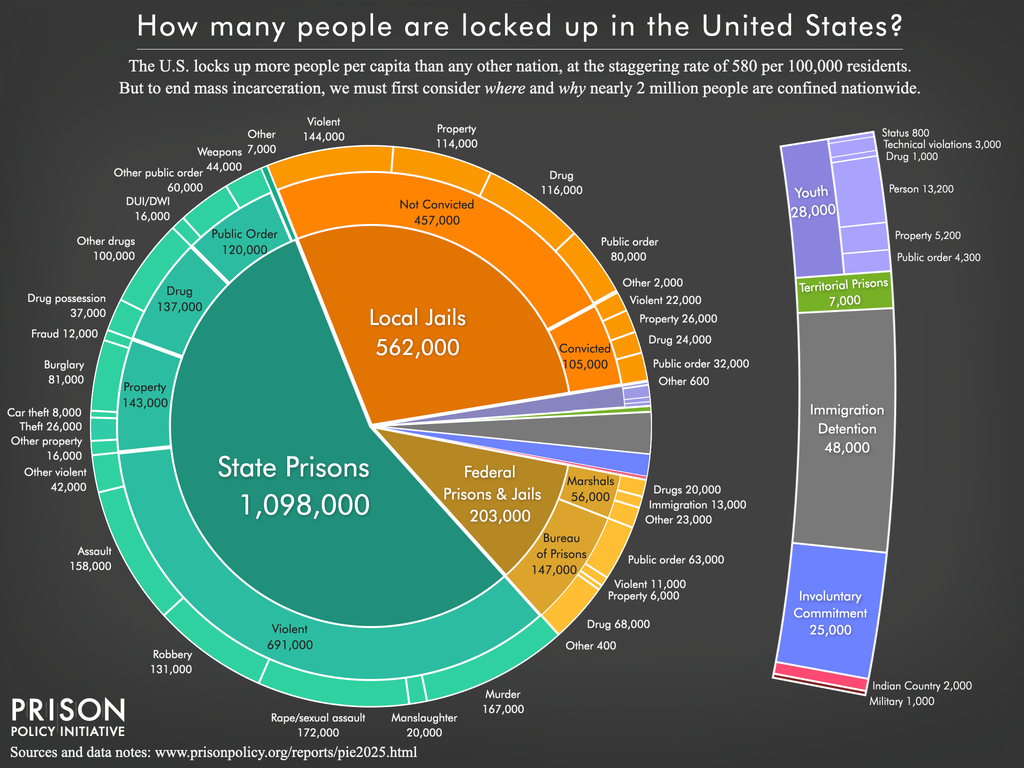
Operational Impact on Institutions
When facilities are overcrowded, nearly every aspect of daily operations is affected. Housing units designed for a specific number of individuals must accommodate more, often through double- or triple-bunking. Common areas may be converted into living spaces, reducing access to recreation and programming.
Staffing becomes a critical issue under these conditions. Correctional officers may be responsible for supervising larger groups, which can reduce their ability to monitor behavior, respond to incidents, and maintain consistent control. Increased demands on staff can also lead to fatigue, stress, and higher turnover, further destabilizing the institutional environment.
Movement within the facility becomes more complex as well. Coordinating meals, recreation, medical visits, and programming for a larger population requires more time and organization. Delays and restrictions become more common, affecting both efficiency and inmate experience.
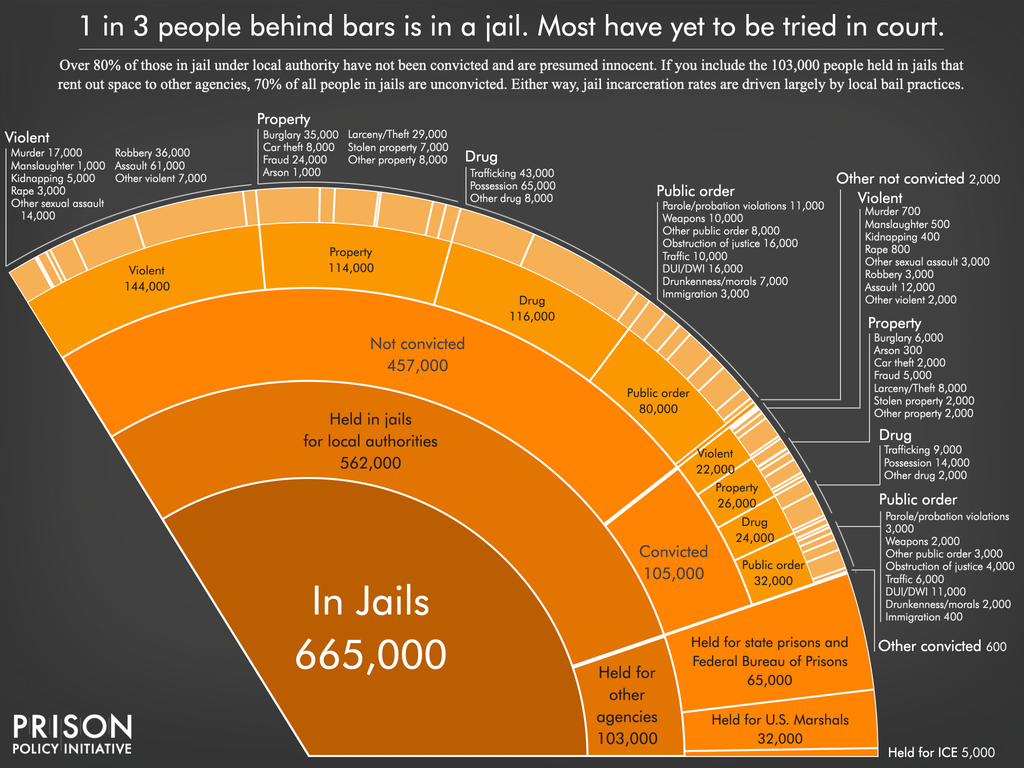
Strain on Healthcare Systems
Healthcare systems within correctional institutions are particularly sensitive to overcrowding. As the population increases, so does the demand for medical and mental health services. However, staffing levels, clinic space, and available resources often remain relatively fixed.
This imbalance can lead to delays in care, shortened appointments, and limited access to specialized treatment. For individuals with chronic conditions or serious health needs, these delays can have significant consequences. Mental health services are similarly affected, with larger caseloads reducing the ability to provide consistent and individualized care.
In extreme cases, systemic deficiencies in healthcare have led to legal intervention. Courts have found that when overcrowding prevents institutions from providing adequate care, it can result in violations of the Eighth Amendment.
Effects on Safety and Institutional Stability
Overcrowding increases the potential for conflict. Higher population density places more individuals in closer proximity, often competing for limited resources such as space, time, and attention from staff. This environment can elevate tension and increase the likelihood of disputes.
At the same time, reduced staff-to-inmate ratios can limit the institution’s ability to prevent or respond to incidents. Classification systems, which are intended to separate individuals based on risk and need, may be compromised when space is limited. This can result in housing assignments that increase the likelihood of conflict or victimization.
Institutions may respond to these pressures by relying more heavily on restrictive measures, such as lockdowns or segregation. While these measures can provide short-term control, they can also contribute to longer-term challenges, including reduced access to programming and increased strain on both staff and inmates.
Impact on Programming and Rehabilitation
Rehabilitative programming is often one of the first areas affected by overcrowding. Educational programs, vocational training, counseling services, and religious activities typically have limited capacity. As the population grows, access to these programs may become more restricted.
This has direct implications for reentry. Individuals who are unable to participate in programs that build skills, address behavior, or provide support may be less prepared to transition back into the community. Overcrowding, in this sense, can undermine one of the core goals of the correctional system.
Staff responsible for delivering programs may also face increased challenges. Larger groups, limited space, and scheduling constraints can reduce the effectiveness and consistency of programming.
Legal and Policy Considerations
The relationship between overcrowding and system strain has been addressed through both litigation and policy reform. Courts have intervened in cases where overcrowding has created conditions that violate constitutional standards, particularly in relation to healthcare and living conditions.
Brown v. Plata (2011) is one of the most significant cases in this area. The Supreme Court upheld a court order requiring California to reduce its prison population, finding that overcrowding had led to systemic failures in medical and mental health care. The decision underscored the principle that population levels cannot be allowed to undermine basic constitutional protections.
Policy responses to overcrowding have included sentencing reform, expansion of alternatives to incarceration, and efforts to reduce recidivism. These approaches aim to address the underlying drivers of population growth rather than relying solely on expanding capacity.
System-Level Implications
Overcrowding highlights the interconnected nature of the correctional system. Decisions made at the legislative, judicial, and community levels all contribute to the conditions within institutions. Correctional facilities are often the point where these decisions converge, but they do not control all of the factors that shape population levels.
For correctional administrators, overcrowding presents ongoing challenges that require constant adjustment. For policymakers, it raises questions about the sustainability and effectiveness of current approaches to incarceration.
Ultimately, overcrowding is not just a logistical issue. It is a condition that influences how rights are exercised, how services are delivered, and how institutions function on a daily basis. Addressing it requires both operational responses within facilities and broader changes across the criminal justice system.
Institutional Life and the Inmate Handbook
Life inside a correctional institution is governed by structure, routine, and a detailed system of rules that shape nearly every aspect of daily existence. For individuals entering custody, the transition into this environment can be disorienting. The inmate handbook serves as one of the primary tools used by correctional institutions to communicate expectations, define boundaries, and establish order. It is both a practical guide and a formal statement of institutional authority.
Understanding institutional life requires looking beyond policies and examining how rules are experienced, interpreted, and enforced on a daily basis. The inmate handbook provides the framework, but the reality of institutional life is shaped by interactions among inmates, staff, and the physical environment.
The Purpose of the Inmate Handbook
The inmate handbook is typically issued during the intake or orientation process. Its purpose is to provide clear information about institutional rules, procedures, and available services. This includes expectations for behavior, schedules, disciplinary processes, and access to programs such as education, healthcare, visitation, and religious services.
From an administrative perspective, the handbook serves several functions. It standardizes communication, reduces ambiguity, and provides a reference point for both inmates and staff. When rules are clearly documented, institutions are better positioned to enforce them consistently and defend their actions if challenged.
The handbook also plays a role in legal compliance. Courts often consider whether individuals were informed of rules and procedures when evaluating disciplinary actions or grievances. In this sense, the handbook is not just informational. It is part of the institutional record.
Orientation and Entry into Institutional Life
The intake process introduces individuals to the structure of the institution. Orientation sessions may include explanations of rules, classification procedures, housing assignments, and available services. The handbook reinforces this information, allowing individuals to refer back to it as they adjust to their new environment.
This transition is significant. Individuals move from a relatively unstructured or self-directed environment into one where time, movement, and behavior are tightly controlled. The handbook outlines these controls, but understanding them in practice often takes time. Informal learning, through observation and interaction with others, plays an important role in how individuals adapt.
Rules, Discipline, and Expectations
At the core of institutional life is a system of rules that governs behavior. These rules cover a wide range of activities, from movement within the facility to interactions with staff and other inmates. Violations can result in disciplinary action, which may include loss of privileges, segregation, or other sanctions.
The handbook typically outlines both major and minor infractions, along with the procedures used to address them. This includes the disciplinary process, which may involve hearings, evidence review, and the opportunity to respond to allegations.
While the rules are formally defined, their enforcement can vary based on institutional culture, staffing, and situational factors. This can influence how individuals perceive fairness and consistency within the system.
Daily Structure and Routine
Institutional life is highly structured. Daily schedules dictate when individuals wake, eat, work, attend programs, and return to their housing units. This structure is designed to maintain order and predictability, reducing opportunities for conflict and disruption.
The handbook often includes detailed schedules and expectations related to movement and participation. For example, it may specify times for meals, recreation, and count procedures. Adherence to this structure is a central part of institutional life, and failure to comply can result in disciplinary action.
For many individuals, this level of structure represents a significant adjustment. Over time, routines can become normalized, shaping how individuals experience time and manage their daily activities.
Access to Services and Programs
The inmate handbook also outlines the services available within the institution. These may include medical and mental health care, educational programs, vocational training, religious services, and recreational activities.
Access to these services is often governed by eligibility criteria, scheduling, and institutional capacity. The handbook provides guidance on how to request services, participate in programs, and address issues that may arise.
Grievance procedures are another important component. These procedures allow individuals to formally raise concerns about conditions, treatment, or access to services. The handbook typically explains how grievances are filed, reviewed, and resolved.
Informal Systems and Institutional Culture
While the handbook defines formal rules, institutional life is also shaped by informal systems. These include unwritten norms, social hierarchies, and patterns of interaction among inmates. Understanding these dynamics is often as important as understanding the formal rules.
In some cases, informal systems can reinforce institutional order. In others, they may create additional challenges, such as conflict, pressure, or the development of subcultures that operate alongside official structures.
Staff interactions also play a key role. The way rules are communicated and enforced can influence the overall environment of the institution. Consistency, professionalism, and communication are critical factors in maintaining stability.
Limitations of the Handbook
While the inmate handbook is an essential tool, it has limitations. It cannot fully capture the complexity of institutional life or anticipate every situation that may arise. Policies may change, and the way rules are applied can vary across different units or staff members.
Additionally, not all individuals may fully understand the information provided. Literacy levels, language barriers, and the stress of intake can affect how effectively the handbook is used. Institutions may need to supplement written materials with verbal explanations or additional support.
Institutional Life as a System
Institutional life is best understood as a system shaped by formal rules, informal dynamics, and the broader goals of the correctional system. The inmate handbook provides the foundation, but it is only one part of a larger structure that includes staff practices, physical environment, and individual behavior.
For those studying corrections, the handbook offers insight into how institutions are designed to function. It reflects priorities such as safety, order, and accountability. At the same time, examining how institutional life operates in practice reveals the challenges of applying these principles in a complex and controlled environment.
The interaction between written policy and lived experience is where institutional life truly takes shape.
Conclusion
This chapter has examined the complex realities of institutional life, moving beyond surface-level descriptions to explore how correctional systems actually function on a daily basis. What emerges is a system defined by constant tension. Correctional institutions are expected to maintain order and security while also upholding constitutional protections and, increasingly, supporting rehabilitation and successful reentry. These goals do not always align, and much of institutional life is shaped by how these competing priorities are managed.
Religious life within institutions illustrates this tension clearly. On one hand, religion provides structure, meaning, and a pathway toward personal change. On the other, institutions must regulate religious expression to ensure safety and fairness. The same dynamic appears in the broader discussion of prisoners’ rights. Courts have affirmed that incarceration does not eliminate constitutional protections, yet those rights are consistently balanced against the operational needs of the institution through frameworks such as the Turner test.
Conditions of confinement further highlight the challenges facing correctional systems. Issues such as overcrowding, use of force, and solitary confinement demonstrate how institutional pressures can shape both policy and practice. These conditions are not isolated problems. They are interconnected, often reinforcing one another in ways that affect safety, fairness, and overall system effectiveness.
The examination of vulnerable populations adds another layer of complexity. Women, LGBTQ+ individuals, individuals with mental illness, and elderly inmates each bring distinct needs that institutions must address. Meeting these needs requires more than uniform policies. It requires an understanding of how different populations experience confinement and how institutional practices can either mitigate or exacerbate existing vulnerabilities.
Institutional life, as structured through tools like the inmate handbook, reflects the broader goals and limitations of the correctional system. Rules, routines, and formal procedures provide a necessary framework for order, but they do not fully capture the lived experience of incarceration. Informal dynamics, staff interactions, and environmental conditions all contribute to how institutions function in practice.
Taken together, these elements reveal a correctional system that is both structured and adaptive, controlled yet constantly responding to internal and external pressures. Understanding this system requires more than memorizing policies or legal standards. It requires analyzing how those policies are applied, how individuals experience them, and how broader social, legal, and political forces shape their development.
As you move forward, the key is not simply to identify problems within corrections, but to think critically about how those problems might be addressed. Effective solutions require balancing security with fairness, control with rehabilitation, and institutional needs with individual rights. That balance remains one of the central challenges of modern corrections.
If institutions are designed to control behavior, how can they also create conditions that support meaningful change?

